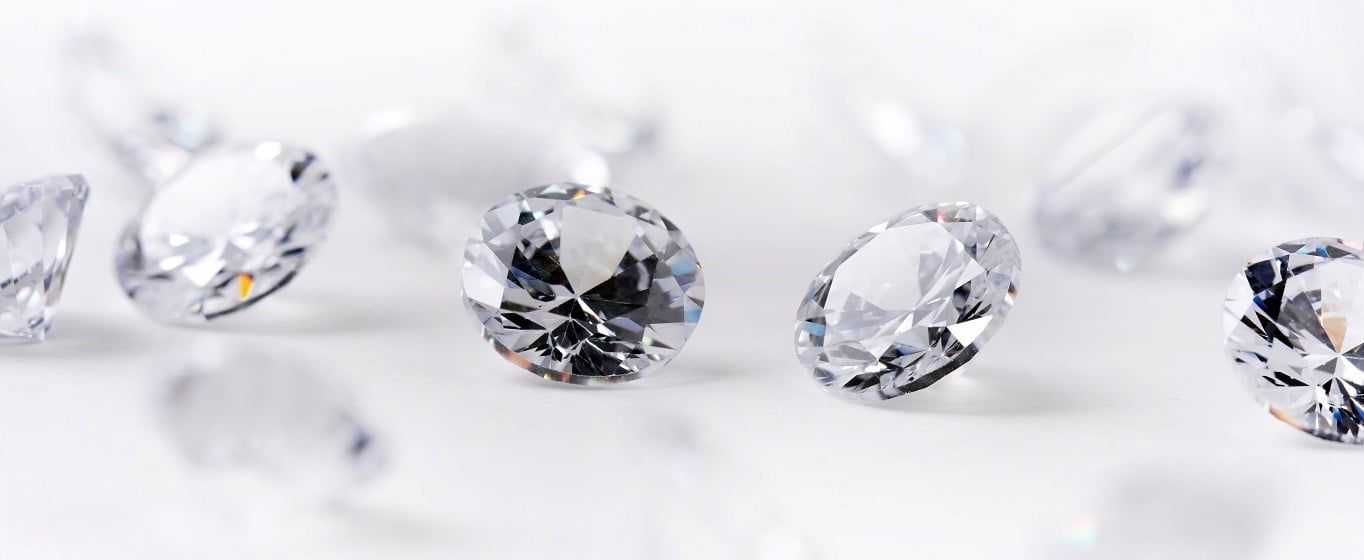

Choosing an engagement ring often comes down to finding the right balance of beauty, personality, and value. halo rings offer that balance through a center stone surrounded by smaller accent stones. This setting can make the main stone appear larger while adding extra sparkle. With many shapes, metals, and design options available, the style works well for both classic and modern tastes.
Table of Contents
What Makes a Halo Setting Different?
A halo setting places a circle, or sometimes another shape, of smaller stones around the center gemstone. These accent stones reflect light from several angles and draw attention toward the middle of the ring.
The design can also change how large the center stone looks. A well-proportioned halo creates a wider visual surface without requiring a much larger center diamond. This makes the setting attractive to buyers who want a noticeable ring while staying within a planned budget.
Halo designs are not limited to round stones. Jewelers can create them around oval, pear, cushion, princess, radiant, or emerald-cut centers. The surrounding stones usually follow the shape of the main gemstone.
Why Halo Rings Create More Visual Impact
One reason halo rings remain popular is their strong presence on the finger. Small accent stones add brightness around the center, which helps the ring catch more light during normal movement.
The setting can also make a modest center stone look more substantial. For example, a properly sized halo around a one-carat stone may create the appearance of a larger overall design.
This effect depends on proportion. Very large accent stones can compete with the center gem, while very small stones may provide less definition. A balanced design keeps the center stone as the main focus.
Popular Center Stone Shapes
The shape of the center stone plays a major role in the final look. Each cut creates a different style and influences how the halo should be designed.
Round
Round diamonds work naturally with circular halos. Their symmetry creates a traditional appearance, while their faceting can produce strong brilliance.
Oval
Oval stones offer a longer shape that can make the finger appear more slender. An oval halo follows the same outline and creates an elegant, balanced profile.
Cushion
Cushion-cut stones combine rounded corners with a square or rectangular shape. They work well with vintage-inspired settings and softer halo designs.
Pear
Pear-shaped stones offer a distinctive teardrop form. A fitted halo highlights the point and curved end while increasing the ring’s visual size.
Emerald
Emerald-cut diamonds have long, clean facets and a refined appearance. Their halos often use smaller stones arranged in a rectangular frame that supports the center without overwhelming it.
Choosing the Right Metal
Metal choice affects both appearance and durability. White gold and platinum create a bright background that blends easily with colorless diamonds. Yellow gold offers more warmth and contrast, while rose gold adds a soft pink tone.
Platinum is dense and highly durable, which makes it attractive for jewelry worn every day. White gold offers a similar appearance at a different price point, although it may require periodic rhodium plating.
Yellow and rose gold can create stronger contrast around a bright center stone. They also work well with vintage-inspired details such as milgrain, engraving, or decorative side profiles.
Diamond Options and Modern Preferences
Buyers now have more options for choosing stones based on budget, origin, appearance, and personal values. Traditional mined diamonds remain widely available, but lab made diamonds have also become a common choice for engagement jewelry.
These diamonds have the same basic crystal structure as mined diamonds. They can be graded using familiar factors such as cut, color, clarity, and carat weight. Their availability gives buyers another way to prioritize stone size, quality, or overall ring design.
Regardless of origin, the quality of the center stone should match the setting. A bright halo cannot correct a poorly cut diamond, so cut quality deserves careful attention.
Single Halo vs. Double Halo Designs
A single halo uses one row of small accent stones. This design adds sparkle without creating an overly wide ring. It suits buyers who want a noticeable but balanced setting.
A double halo adds a second row of accent stones around the first. This creates more width and can make the center appear significantly larger.
However, a larger design may feel heavier on smaller hands. Buyers should consider finger size, lifestyle, and comfort before choosing a double halo.
Trying both styles in person can make the decision easier. Photos often make rings appear larger or smaller than they look on the hand.
Details That Affect Comfort and Durability
Appearance matters, but a ring must also support daily wear. The height of the center stone can affect comfort and how often the ring catches on clothing.
Higher settings may allow more light to enter the stone, but they can also feel more exposed. Lower settings may offer a smoother profile for people with active routines.
Prong quality also matters. Small halo stones depend on secure metalwork, so buyers should inspect the setting carefully and choose a skilled jeweler.
The underside of the ring should feel smooth against the finger. Sharp edges, unfinished areas, or bulky metal can become uncomfortable during long periods of wear.
How to Compare Halo Rings Before Buying
Shopping based only on carat weight can lead to poor decisions. Buyers should evaluate the entire ring rather than focusing on one measurement.
Start by comparing center stone dimensions. Two diamonds with the same carat weight can look different in size because of their cut proportions.
Next, study the relationship between the center stone and surrounding accents. The halo should frame the main stone rather than distract from it.
Also examine the ring from the side. This view reveals setting height, prong structure, gallery details, and how securely the center stone sits.
Finally, consider how a wedding band will fit beside the engagement ring. Some halo settings allow a straight band to sit flush. Others may require a curved or contoured band.
Caring for a Halo Setting
Halo designs contain several small stones and tiny spaces where lotion, soap, and debris can collect. Regular cleaning helps maintain their brightness.
A soft toothbrush, warm water, and mild dish soap can remove normal buildup. Avoid harsh chemicals that may damage certain metals or gemstones.
Professional inspections also help protect the ring. A jeweler can check prongs, accent stones, and the center setting for signs of wear.
People who wear their rings daily should remove them during activities that may cause impact or heavy pressure. Exercise equipment, gardening tools, and household repairs can damage fine jewelry.
Finding a Design That Feels Personal
A ring should reflect the wearer’s taste rather than follow a trend alone. Some people prefer a thin band and delicate halo, while others want a wider band with more detail.
Custom options can add personal touches through gemstone shape, metal color, engraving, or side stones. Buyers can also mix traditional styling with modern materials, including lab made diamonds, to create a ring that fits their priorities.
Before making a final decision, compare several designs under different lighting conditions. Natural daylight, indoor light, and jewelry store lighting can make the same ring look different.
A Lasting Choice With Plenty of Flexibility
Halo rings offer a flexible design that can suit many styles, budgets, and center stone shapes. Their surrounding accent stones create added brilliance while helping the center gemstone appear more prominent.
The best ring combines good proportions, secure craftsmanship, comfortable wear, and a design that feels personal. Taking time to compare stone shapes, metals, settings, and construction details can lead to a choice that remains enjoyable for years.