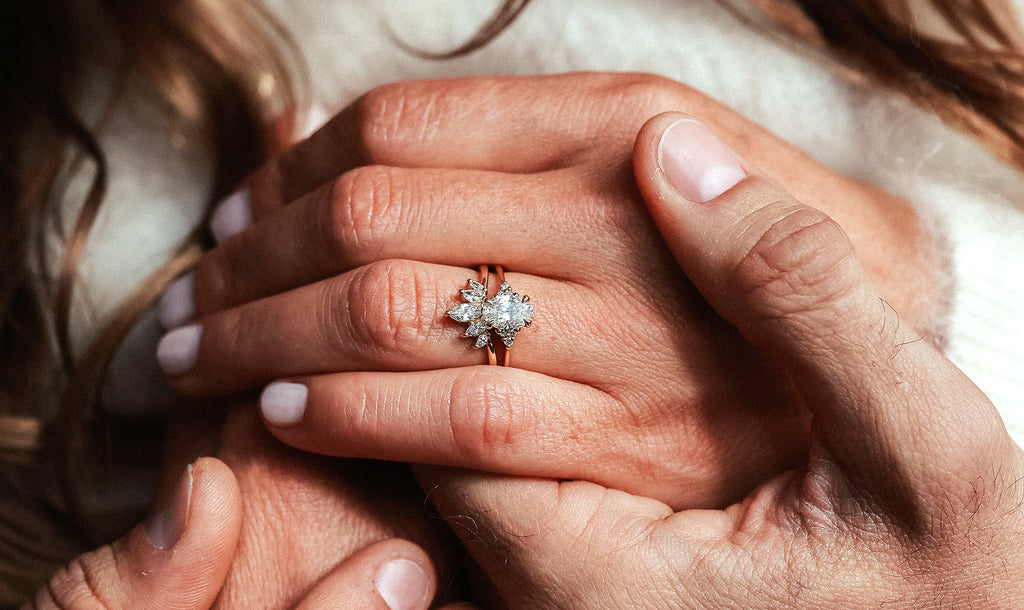

When I first started writing about jewellery trends for Australian lifestyle publications, round cuts and classic solitaires dominated every conversation. Safe. Familiar. Predictable. Pear shapes sat quietly in the background — admired, sure, but rarely celebrated.
That’s changed. Dramatically.
Over the last few years, pear engagement rings have gone from “interesting alternative” to a confident first choice. And honestly, watching that shift has been fascinating — especially from someone who’s spent years talking to jewellers, couples, and trend-watchers across Australia.
So let’s talk about why the pear shape is having a moment, what makes it so special, and how modern choices like lab diamonds are reshaping what engagement rings can look like today.
Table of Contents
The pear shape: a little classic, a little rebellious
You might not know this, but the pear cut is anything but new. It dates back to the 15th century, created by Flemish diamond cutter Lodewyk van Bercken. That makes it one of the oldest diamond shapes around — older than many of the styles we now call “traditional”.
Still, despite that history, pear-shaped diamonds always felt slightly unconventional. Maybe it’s the asymmetry. Maybe it’s the way they blur the line between softness and edge.
A pear diamond combines the brilliance of a round cut with the elongated elegance of a marquise. One rounded end, one pointed tip. Balanced, but not perfectly symmetrical — and that’s exactly the appeal.
In a world where so much feels mass-produced, people are gravitating towards designs that feel personal. Pear engagement rings offer that quiet individuality without screaming for attention.
They’re elegant, but not expected.
Why pear engagement rings flatter the hand
Here’s something jewellers will tell you off the record, and lifestyle writers like me eventually learn: pear-shaped diamonds are incredibly flattering.
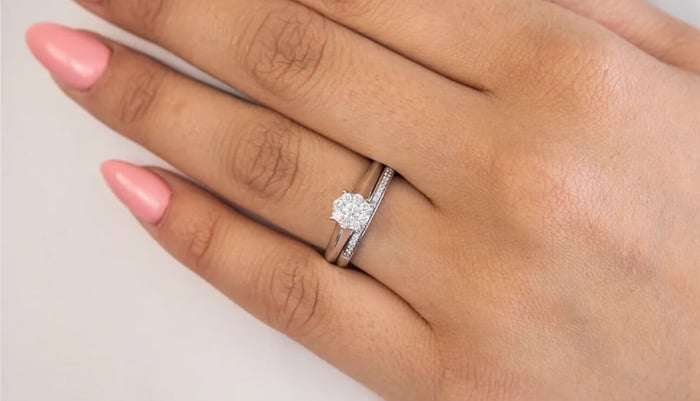
Because of their elongated shape, they create the illusion of longer, slimmer fingers. That’s not marketing fluff — it’s simple visual geometry. The tapered point draws the eye outward, making the stone appear larger than its actual carat weight.
And for couples working within a budget? That matters.
A one-carat pear diamond often looks bigger than a one-carat round. Not because it is bigger, but because the shape spreads the surface area more generously across the finger.
I’ve spoken to countless Australians who were surprised by this when they tried rings on in person. One woman told me, laughing, “I thought they’d mixed up the sizes.”
They hadn’t. It was just the magic of the cut.
Orientation matters more than you think
One of the most interesting things about pear engagement rings is how personal the design choices become.
Do you wear the point facing up, towards the fingertip? Or down, towards the heart?
There’s no right answer — and that’s part of the charm.
Traditionally, many wearers prefer the point facing outward, elongating the hand visually. Others like the symbolism of the point facing inward, a private detail only the wearer truly notices.
I once interviewed a Sydney-based jeweller who said this decision often sparks surprisingly emotional conversations between couples. It’s not just about aesthetics — it’s about intention.
That’s something I don’t see with many other diamond shapes.
Settings that bring pear shapes to life
Pear diamonds are versatile, but they do have personalities. The setting you choose can dramatically change the final look.
Solitaire: understated confidence
A simple solitaire setting lets the pear shape speak for itself. Clean lines, minimal distraction. This style suits people who appreciate elegance without fuss.
In white gold or platinum, a solitaire pear ring feels modern and refined. In yellow gold, it leans warmer and more romantic.
Halo: soft drama
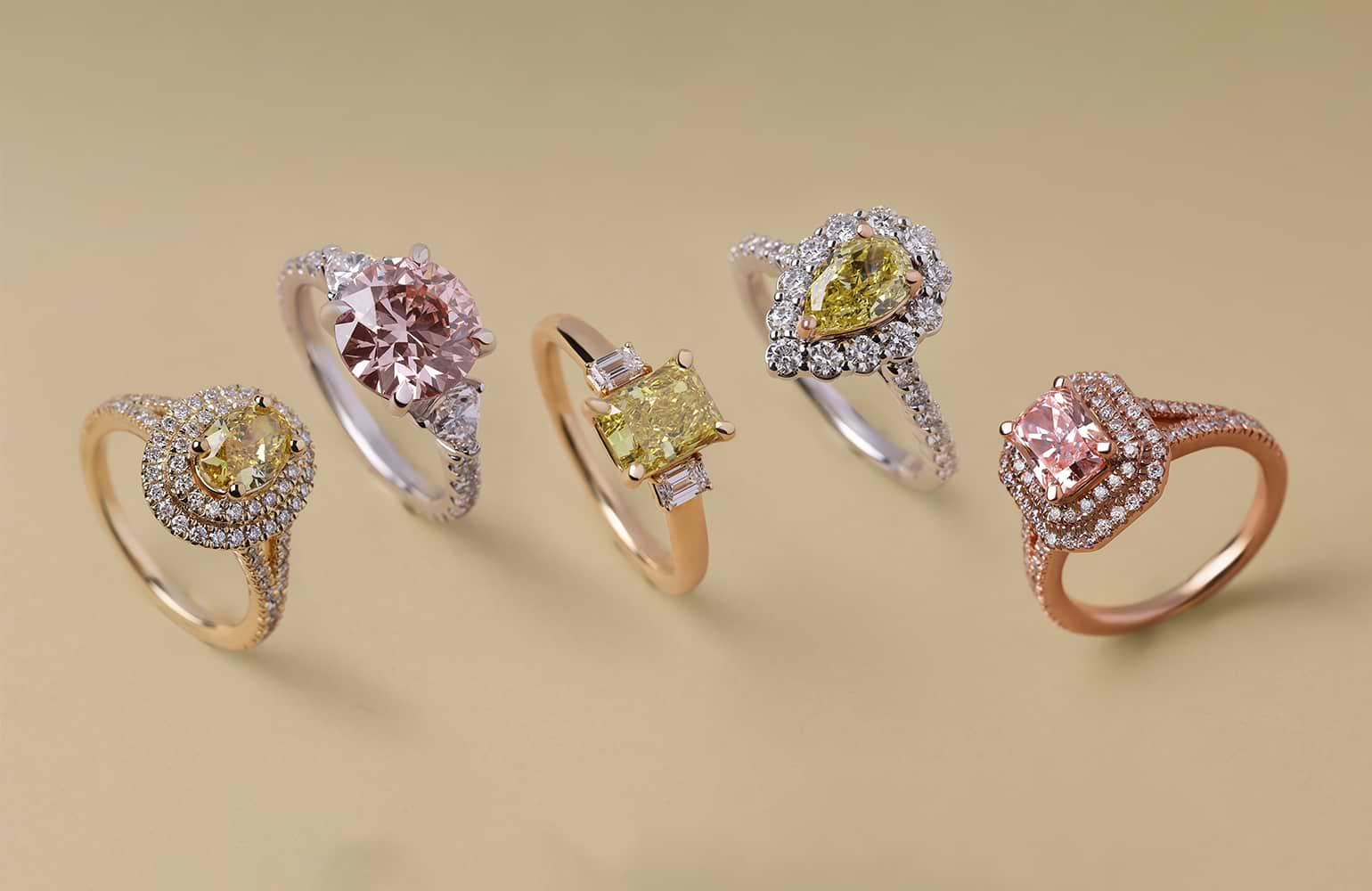
A halo of smaller diamonds around a pear centre stone adds sparkle and presence. It can also protect the pointed tip — a practical bonus many buyers appreciate.
This style feels glamorous without crossing into over-the-top territory, especially when done with restraint.
Three-stone: symbolism with balance
Pear centres paired with tapered baguettes or smaller pears create a balanced, architectural look. Past, present, future — yes, the symbolism is familiar, but it still resonates.
I’ve noticed this style gaining popularity among couples who want meaning woven subtly into design.
Protecting the pointed tip (yes, it matters)
Let’s be practical for a moment.
Pear diamonds have a vulnerable point. It’s beautiful, but it needs protection.
That’s why experienced jewellers often recommend prong or V-tip settings that shield the tip from accidental knocks. Especially important for people with active lifestyles — which, let’s be honest, describes a lot of Australians.
It’s not something you want to overlook. A well-set pear diamond should feel secure, not fragile.
The rise of lab diamonds and what it means for pear rings
This is where things get really interesting.
Over the last decade, lab diamonds have transformed the jewellery industry in ways few people predicted. And pear engagement rings, in particular, have benefited.
If you’re still wondering whether lab diamonds are “real” diamonds, you’re not alone. It’s a common question, and a fair one. This explainer on lab diamonds does a good job breaking down the science without the jargon.
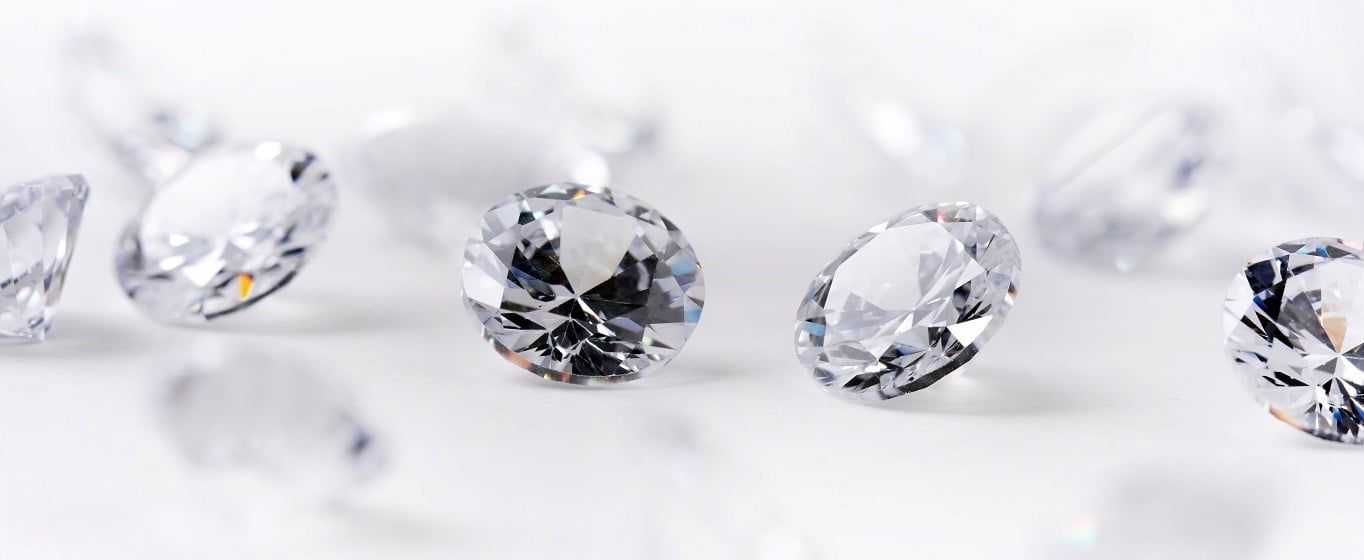
Short version? They’re chemically, physically, and optically identical to mined diamonds.
The difference lies in origin — not quality.
For many Australian couples, lab-grown diamonds open doors that previously felt closed. Larger stones. Higher clarity. Better colour grades. All without stretching budgets or ethical comfort zones.
And because pear shapes show inclusions and colour differently to round cuts, having access to higher-quality stones makes a noticeable difference.
Honestly, I was surprised by how quickly lab diamonds became the norm rather than the exception.
Ethical considerations Australians care about
There’s something uniquely Australian about how openly couples talk about ethics and sustainability. It comes up in conversations far more often than it did even five years ago.
Lab diamonds appeal not just because they’re affordable, but because they avoid many of the environmental and social concerns associated with traditional mining.
When paired with pear engagement rings — already a symbol of individuality — the result feels aligned with modern values.
Less compromise. More intention.
Choosing the right proportions in a pear diamond
Here’s where expert guidance really matters.
Not all pear diamonds are created equal. Proportions can vary wildly, and that affects both beauty and durability.
Most jewellers recommend a length-to-width ratio between 1.45 and 1.75. Shorter pears look rounder and softer; longer ones feel sleeker and more dramatic.
Neither is “better”. It’s about what suits your style — and your hand.
One thing to watch for is the “bow-tie effect”, a shadow across the centre of the stone caused by light leakage. Some bow-tie is normal in pear shapes, but too much can dull the sparkle.
Seeing the diamond in motion — or through high-quality video — makes all the difference.
Custom design: where pear shapes really shine
Pear engagement rings lend themselves beautifully to custom design.
Because the shape is distinctive, even small tweaks feel meaningful. A slightly curved band. An asymmetrical halo. A hidden gemstone inside the setting.
I’ve seen couples incorporate birthstones, engraving, even subtle design nods to where they met or travelled together.
Custom doesn’t have to mean complicated. It just means thoughtful.
And with modern lab-grown options, custom design has become far more accessible than it once was.
A helpful place to explore pear designs
If you’re in the research phase — the “late-night scrolling and screenshotting” stage — it helps to see a wide range of pear styles done well.
This collection of pear engagement rings showcases how varied the shape can be, from minimal solitaires to more intricate designs. It’s a useful reference point if you’re trying to work out what resonates with you.
Not a sales pitch — just genuinely helpful inspiration.
Caring for a pear engagement ring
Once you’ve chosen the ring, care matters.
Because of the pointed tip and elongated shape, regular checks are important. A quick annual inspection ensures prongs are secure and the setting hasn’t loosened.
Cleaning is straightforward: warm water, mild soap, a soft brush. Avoid harsh chemicals, especially if your ring has accent stones.
Pear diamonds are durable — they’re still diamonds — but like anything precious, they deserve attention.
Why pear rings feel so personal
After years of writing about engagement rings, patterns emerge.
People who choose pear engagement rings often describe themselves as “not traditional, but not wild either.” They want something timeless, just with a twist.
There’s confidence in that choice.
It’s not about chasing trends. It’s about selecting a design that feels quietly expressive — something you don’t see on every second hand at brunch.
And maybe that’s why pear shapes resonate so deeply. They sit comfortably between past and present, tradition and individuality.
Final thoughts
If there’s one thing I’ve learned covering jewellery for Australian audiences, it’s this: the best engagement ring is the one that feels right, not the one that ticks the most boxes.
Pear engagement rings offer elegance without rigidity. Romance without cliché. And with the growing acceptance of lab diamonds, they offer freedom — freedom to choose size, quality, and ethics without compromise.
Well, that’s a pretty compelling combination.
If you’re considering a pear-shaped ring, take your time. Try different proportions. Ask questions. Trust your instincts.