
Table of Contents
What Are Lab Diamonds
Lab diamonds are real diamonds created in a controlled laboratory environment. They have the same chemical composition, optical properties, and hardness as natural diamonds. Unlike mined diamonds, lab diamonds do not come from the earth, which reduces environmental impact.
These man made diamonds pendants are used in all types of jewelry, including rings, earrings, and pendants. When you choose a lab diamond, you get the quality and appearance of a natural diamond without the same extraction process.
How Lab Diamonds Are Made
There are two main methods for creating lab diamonds.
- High Pressure High Temperature (HPHT): This method mimics the natural conditions of diamond formation by applying high pressure and temperature to a carbon source.
- Chemical Vapor Deposition (CVD): This process grows diamonds layer by layer from a carbon-rich gas in a vacuum chamber.
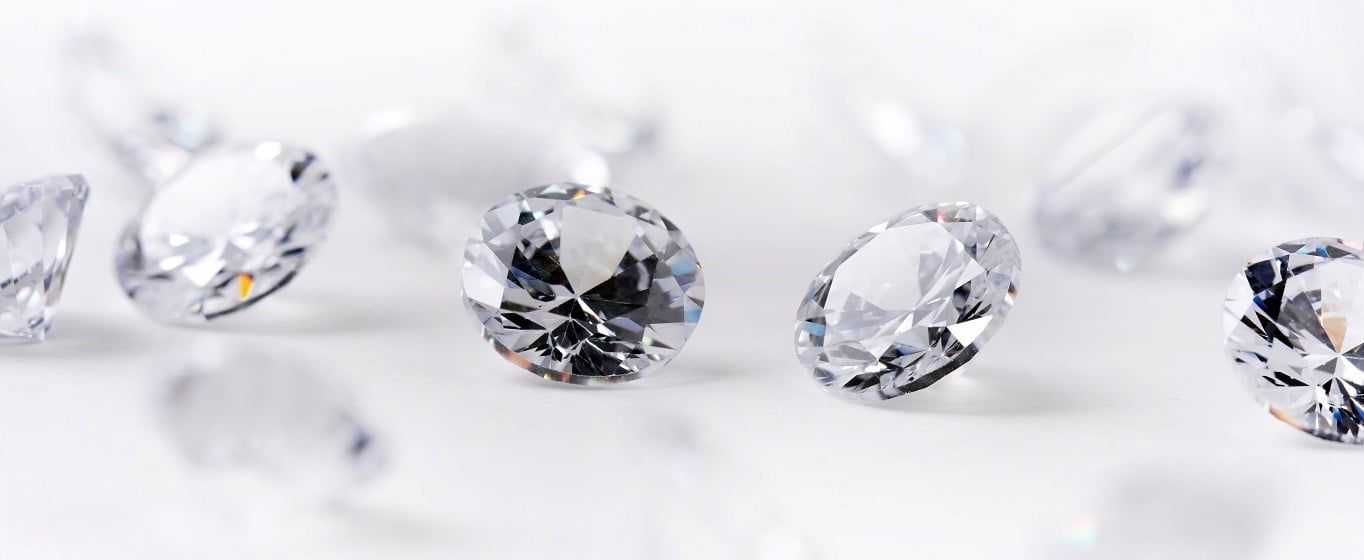
Both methods produce diamonds that are virtually indistinguishable from natural diamonds. A trained gemologist can detect subtle differences, but to the naked eye, they look the same.
Benefits of Lab Diamonds
Lab diamonds offer several advantages over mined diamonds.
- Cost: Lab diamonds are generally more affordable. You can get a larger or higher-quality stone for the same budget.
- Ethics: Lab diamonds avoid many of the ethical concerns associated with mining, such as worker exploitation or conflict diamonds.
- Environmental Impact: Creating diamonds in a lab reduces land disruption, water usage, and carbon emissions compared to traditional mining.
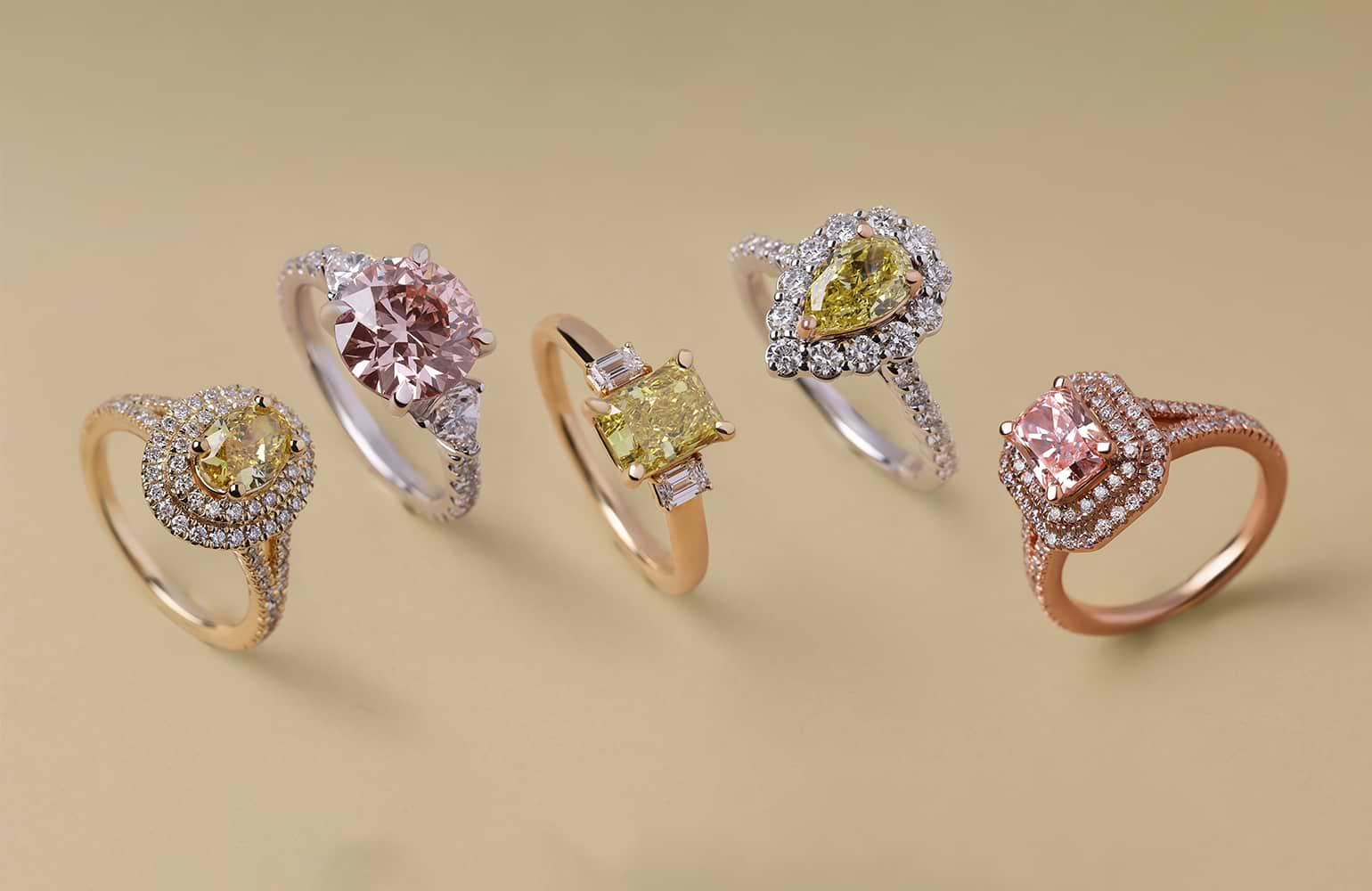
- Customization: Lab diamonds can be tailored to specific sizes, shapes, and colors more easily than mined diamonds.
For example, if you want a pendant with a rare color, a lab diamond can be produced to match your preference without waiting for a natural stone.
Choosing the Right Lab Diamond
When selecting a lab diamond, consider the same factors you would for any diamond: the four Cs.
- Cut: Determines how well the diamond reflects light. A good cut makes the diamond sparkle.
- Color: Lab diamonds come in a range of colors. Most pendants use near-colorless stones.
- Clarity: Fewer inclusions mean a cleaner stone. Lab diamonds tend to have fewer imperfections than mined diamonds.
- Carat: This measures the diamond’s weight. For pendants, size and style balance is important.
Also, look for certification. Reputable labs provide certificates that confirm the diamond’s authenticity and properties.
Lab Diamonds in Pendants
Lab diamonds are particularly popular for pendants because they can be showcased as a single, prominent stone. You can choose designs that range from minimalistic to intricate settings.
Examples:
- A single round lab diamond on a simple chain.
- A halo pendant with a center lab diamond surrounded by smaller stones.
- A geometric or modern design featuring lab diamonds in unconventional shapes.
You can match the pendant to your personal style without worrying about ethical issues or high costs.
Maintaining Your Lab Diamond Jewelry
Lab diamonds are durable but still need care.
- Clean regularly with mild soap and water or a jewelry cleaner designed for diamonds.
- Store separately to avoid scratching other jewelry.
- Check settings to ensure the stone is secure.
Proper care ensures your pendant retains its brilliance over time.
Frequently Asked Questions
Are lab diamonds real diamonds?
Yes. Lab diamonds have the same chemical and physical properties as natural diamonds. They are not synthetic imitations.
Do lab diamonds lose value?
Lab diamonds can hold value but generally appreciate less than natural diamonds. They are a cost-effective choice for personal jewelry.
Can you tell a lab diamond from a natural diamond?
Only a gemologist using specialized equipment can reliably tell the difference. To the naked eye, they look identical.